Resorts ask what the grounds will cost to install. The more useful question, and the one almost nobody asks at the right moment, is what they will cost to run — because the answer is decided by the design, and by then it is too late to change it cheaply.
We do not publish rates, and the number depends entirely on the site. But the structure of the cost is predictable, and it is worth knowing before you sign off a layout.
What drives the running cost
Lawn area. Turf is the most expensive surface per square metre to maintain in this climate, by a wide margin. It needs mowing through the whole growing season, it needs feeding, and in the dry season it needs water or it goes brown in front of your guests. Every square metre of lawn that could have been planted bed is a recurring cost you chose.
Irrigation dependency. A planting scheme built from species suited to Goa needs supplementary water while it establishes and comparatively little afterwards. One built from imported ornamentals needs it permanently. That is a water bill, a pump, and a failure mode every April.
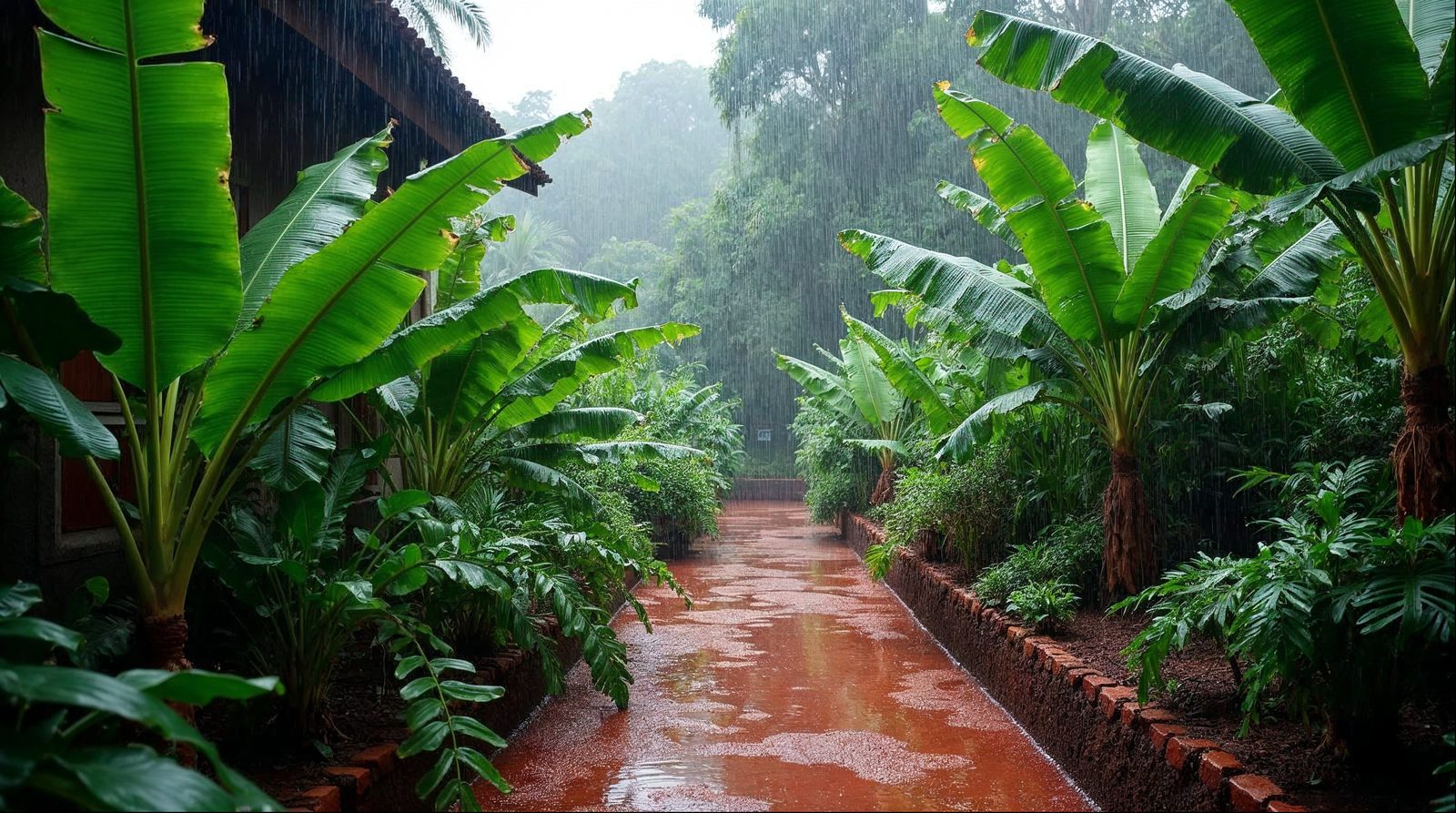
Plant density. This is the one that surprises people: denser planting is cheaper to run. A bed planted generously closes over, shades its own soil, suppresses weeds and holds together in the rain. A bed planted sparsely to save on stock spends the next three years being weeded and topped up.
Water features. A pond is an ongoing commitment, which we have written about separately. Worth budgeting honestly rather than discovering.
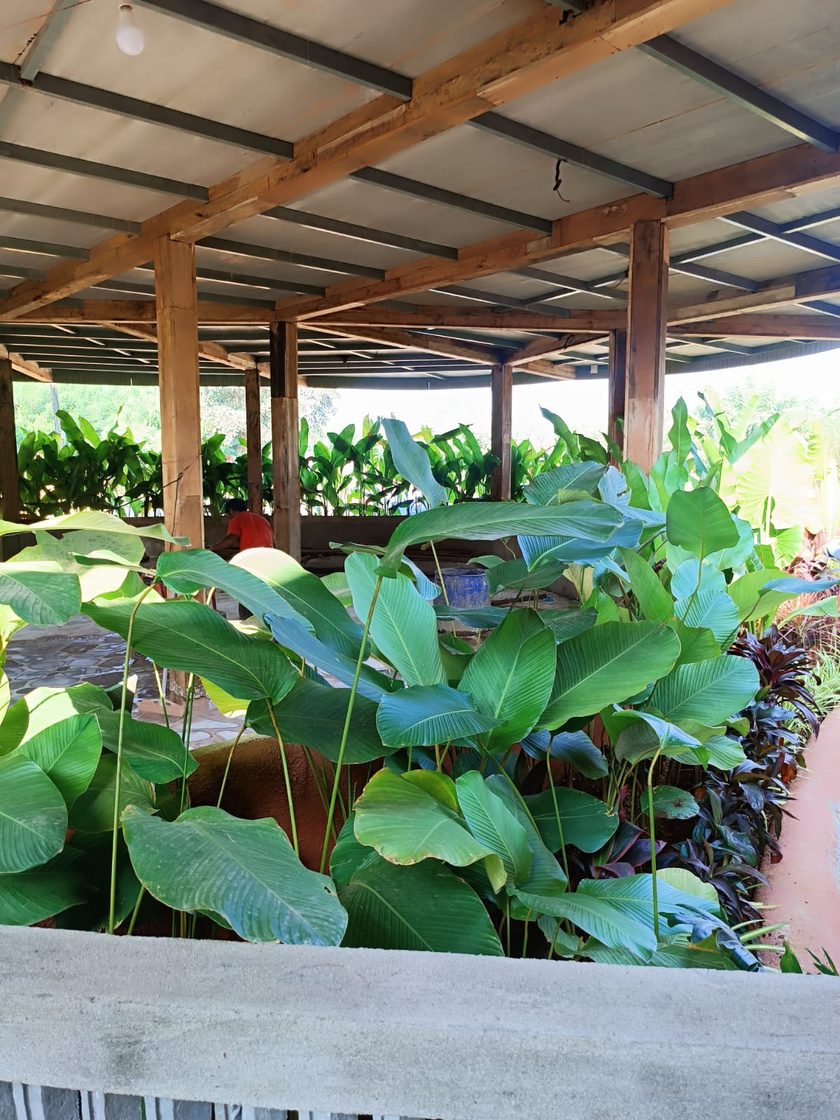
Access. Beds that a person cannot get into without treading on planting will either not be maintained or will be maintained badly. Maintenance access is a design decision that costs nothing at layout stage and a great deal later.
Where the installation money should go
If a budget will not cover everything, the order we would defend is:
- Ground preparation and drainage. Invisible, unglamorous, and the thing that determines whether any of the rest survives. It cannot be retrofitted.
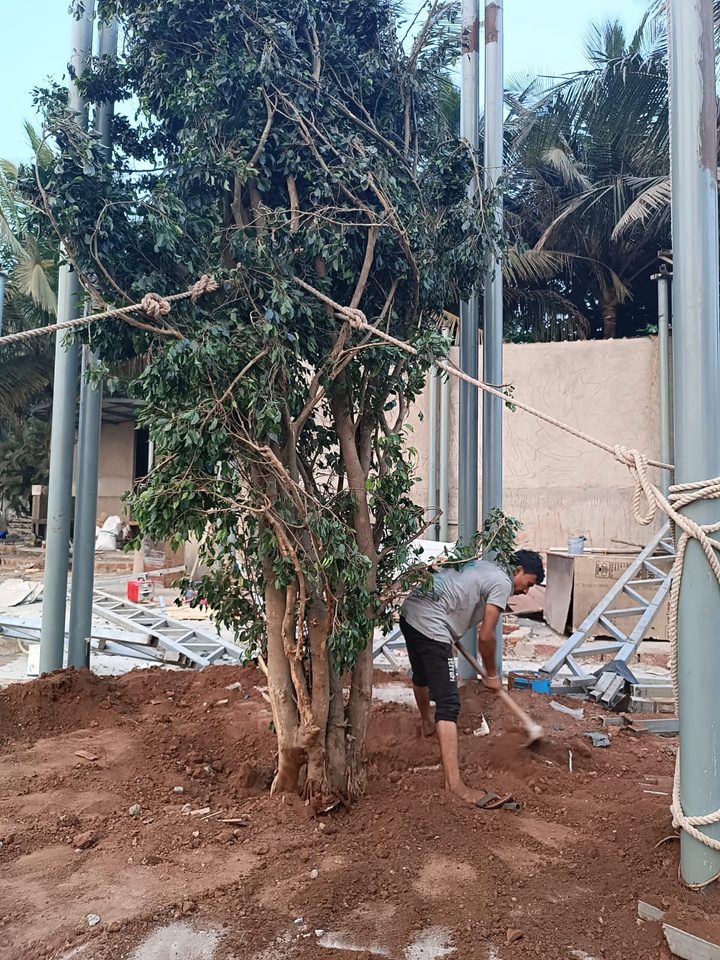
- Structure planting — the trees and large specimens that give the grounds scale. These are what take years to grow, so they are what you buy time on.
- Density in the beds that guests walk past. Better to plant a smaller area properly than a large one thinly.
- Decorative detail. Last, because it is the only part that can be added next season without disturbing anything.
The temptation is always to spread the budget evenly over the whole site so that everything looks done on opening day. It photographs well for one season and then thins out everywhere at once.
The part we would rather say early
Grounds are not a capital project that finishes. Tropical planting grows hard for four months a year, and a resort garden that gets no attention for two seasons does not stay as designed — it becomes a thicket, and restoring it costs more than maintaining it would have.
If there is no budget line for upkeep, the design should be smaller and simpler than the site could carry. That is a better outcome than an ambitious scheme nobody can keep.
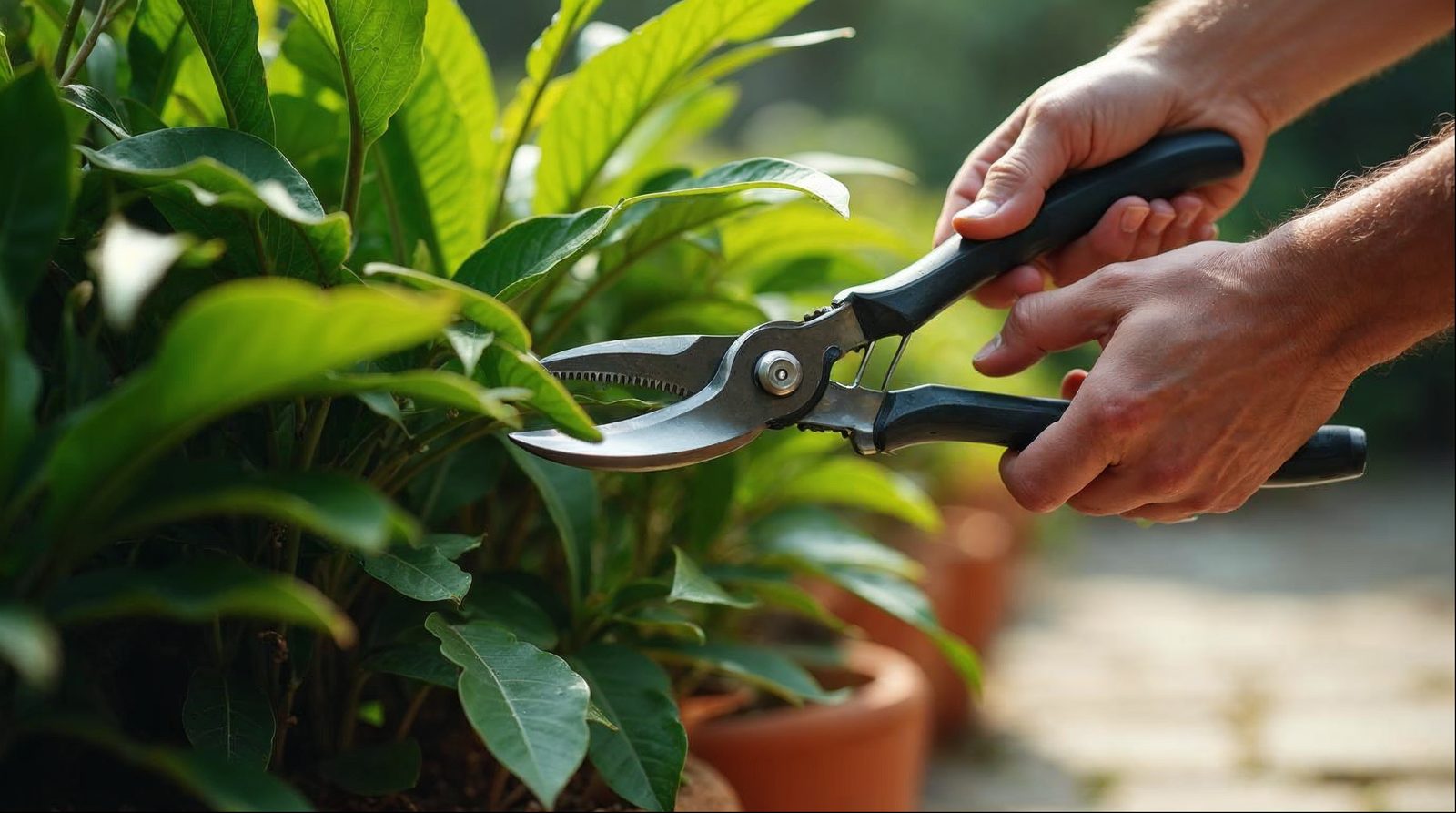
We offer garden maintenance and garden consultancy alongside the build for exactly this reason, and a consultancy arrangement — where your own staff do the work and we set the schedule and come in seasonally — is often the sensible shape for a resort.